
2025 Hyundai Tucson HEV vs PHEV
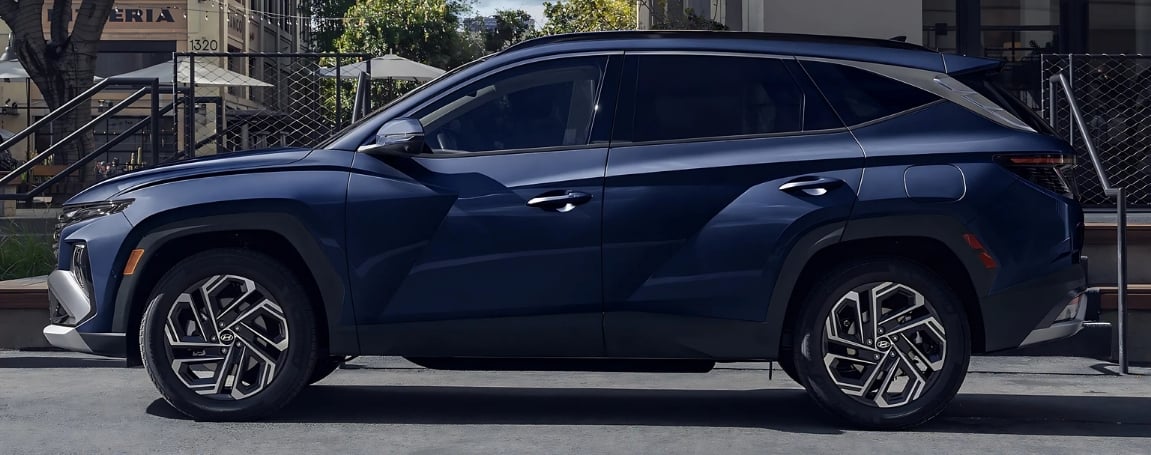
2025 Hyundai Tucson HEV vs PHEV: What’s the Difference for Canadian Drivers?
If you’re shopping for an efficient SUV in Halifax, the 2025 Hyundai Tucson offers two advanced options: the hybrid (HEV) and the plug-in hybrid (PHEV). Both share a stylish design, upscale features, and impressive technology, but they deliver efficiency in different ways. Here’s what you need to know before deciding which is right for you.
Power and Performance
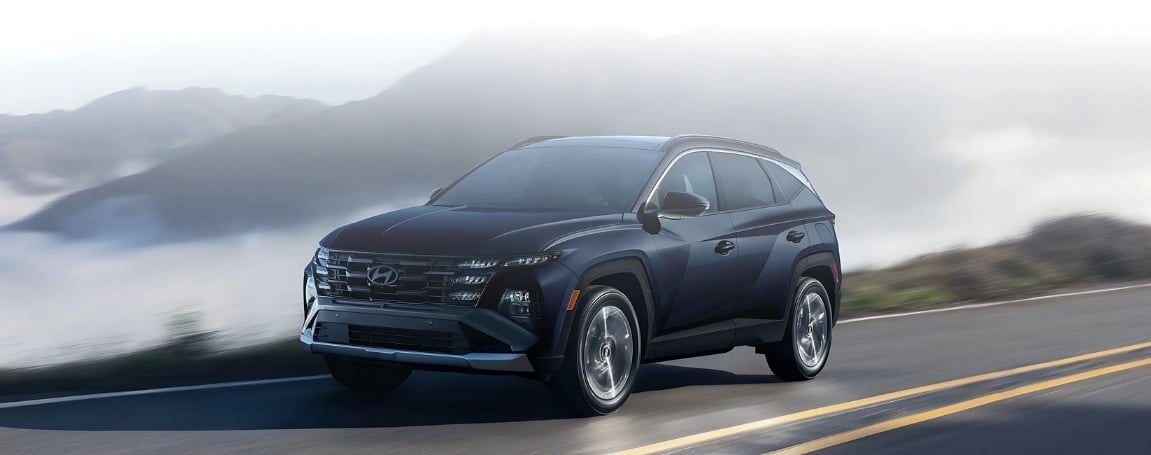
Both the Tucson HEV and PHEV use Hyundai’s Smartstream 1.6-litre Turbocharged GDI engine paired with a 6-speed automatic transmission and an electric motor. The combined output for the hybrid setup delivers 231 horsepower and 258 lb-ft of torque, giving you plenty of power for city drives or weekend adventures. The PHEV here steps up delivering more power and bumps up the horsepower to 268.
The key difference comes in how each system uses electricity. The HEV doesn’t require plugging in, it charges its small battery through regenerative braking and the gas engine, making it a great choice if you want hybrid benefits without worrying about charging stations.
The PHEV, on the other hand, includes a larger battery that you can charge at home or at a public station. This allows you to drive short distances on electric power alone before the gas engine kicks in, which is ideal if most of your driving is around Halifax or other urban areas.
Charging and Electric Range
Charging is where the two models really separate. The HEV needs no charging at all, just fuel up and go. This convenience makes it perfect for drivers who don’t have access to home charging or who frequently take long trips.
The PHEV requires plugging in to get the most out of its system. It offers an electric-only range suitable for daily commutes or errands, which can significantly reduce fuel use if you charge regularly. For many Halifax drivers who want to cut down on gas costs and emissions, this could be a big advantage.
Interior Features and Comfort
Both models come loaded with technology and comfort features. You’ll find a 12.3-inch touchscreen with navigation, a 12.3-inch digital instrument cluster, and premium touches like a panoramic sunroof, wireless charging, and a Bose audio system. Heated rear seats and leather seating surfaces enhance comfort for everyone on board.
Higher trims even include advanced features like a Head-Up Display, Blind-Spot Collision-Avoidance Assist, Remote Smart Parking Assist, and Highway Driving Assist for extra convenience on Nova Scotia highways. The PHEV’s bigger battery does slightly reduce cargo space compared to the HEV, so if maximum storage is a priority, the hybrid may be the better fit.
Which One Fits Your Lifestyle?
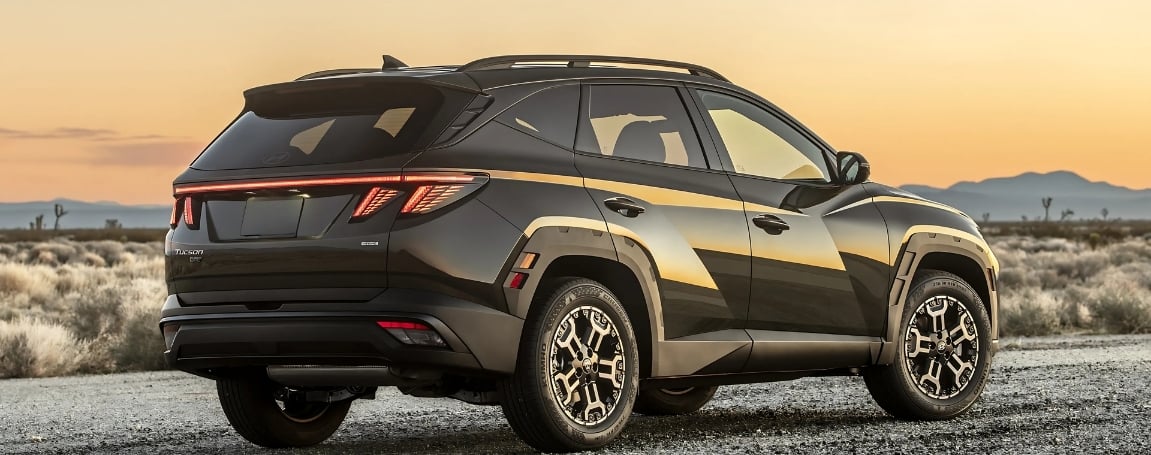
If you want an efficient SUV without changing your routine, the Tucson Hybrid is a fantastic option. It boosts fuel economy without needing a plug and handles Canadian winters with HTRAC™ All-Wheel Drive.
If you’re ready to embrace electrification and have a place to charge, the Tucson PHEV offers the benefit of electric-only driving for short trips, making it even more economical and eco-friendly for city life.
Ready to Explore the Tucson Lineup?
Visit Steele Hyundai in Halifax, NS, today to see both the 2025 Hyundai Tucson HEV and PHEV in person. Our team will help you compare features, answer your questions, and find the model that suits your driving habits.